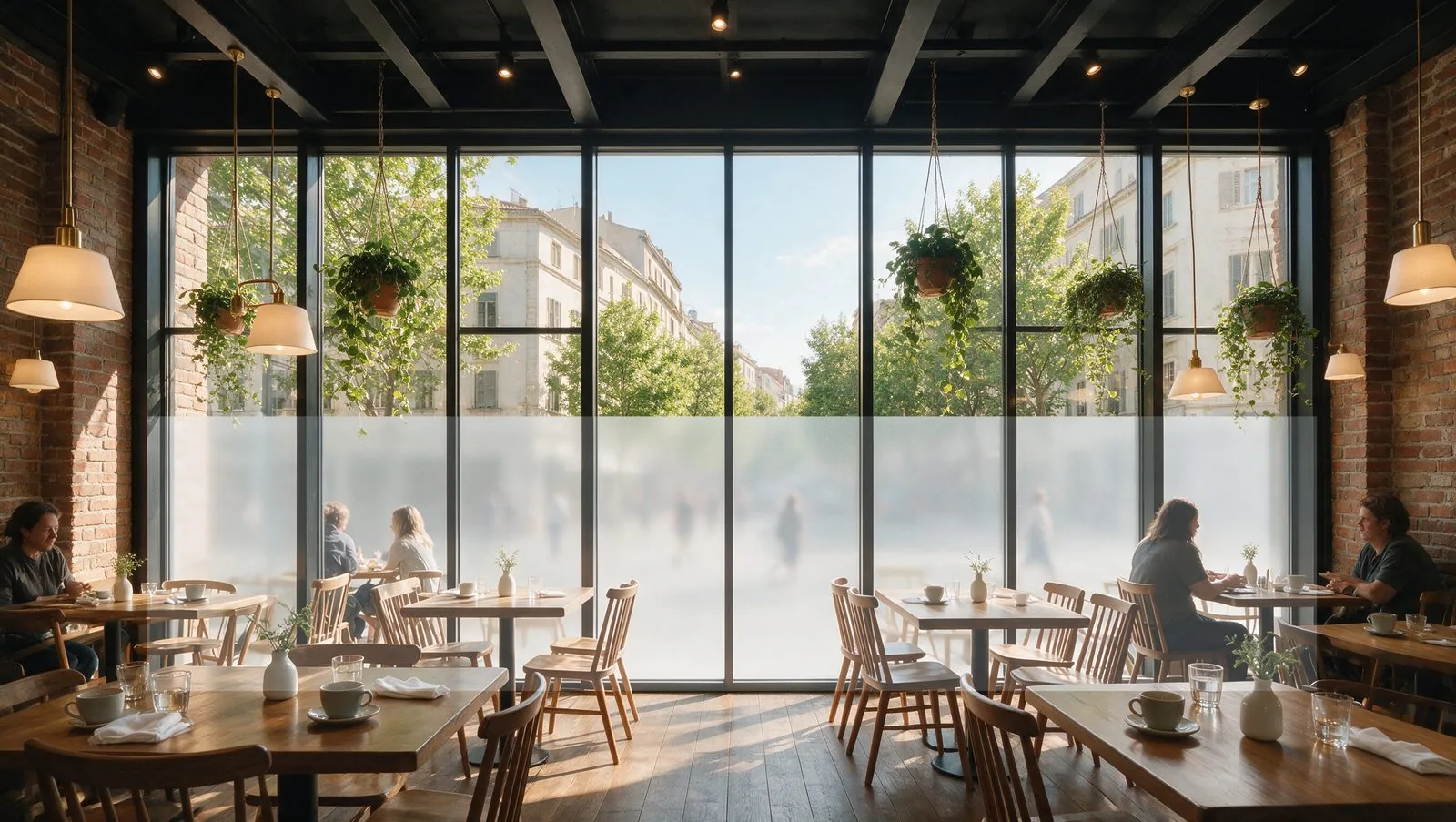

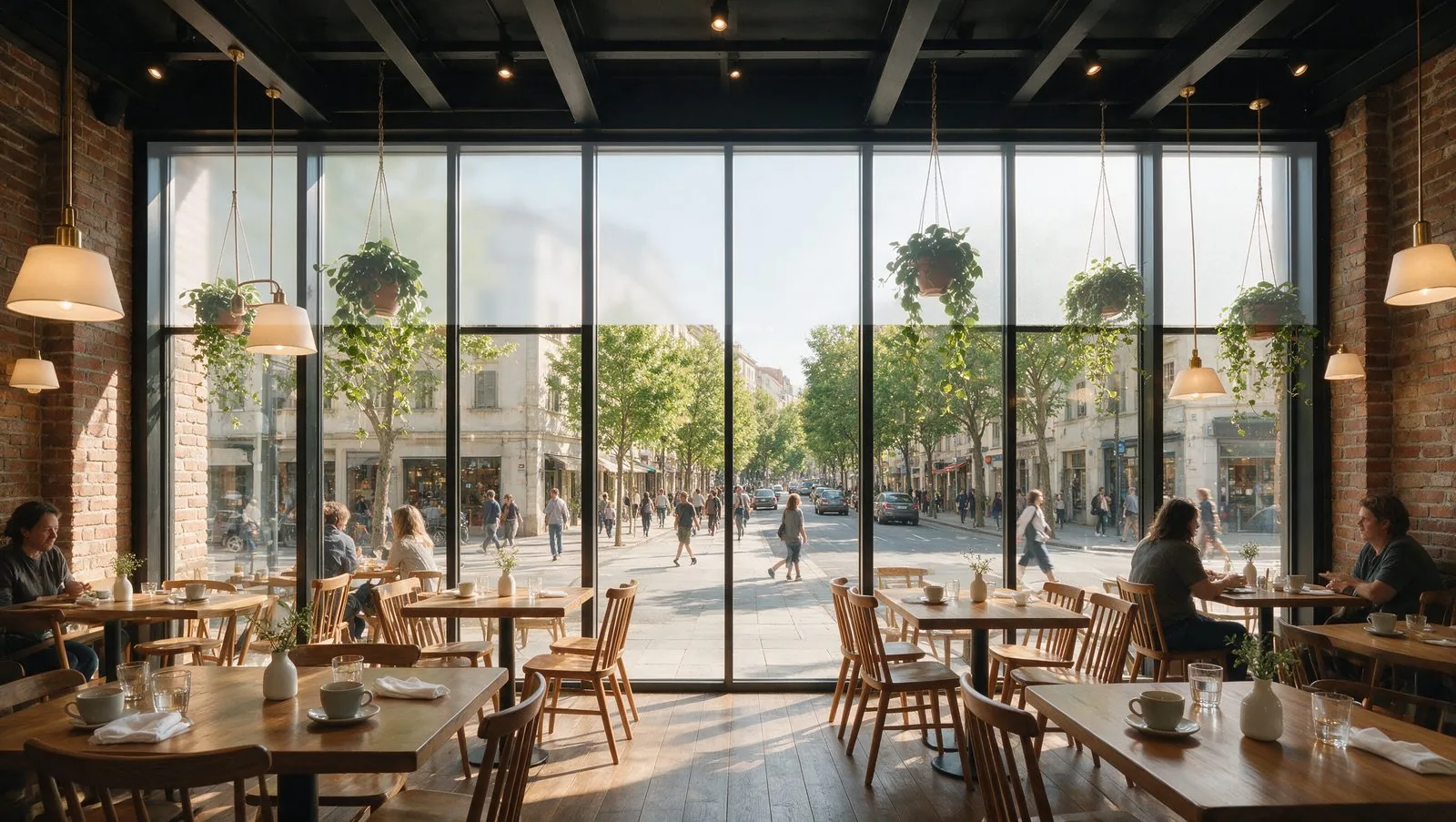
 01 — DAY
Day — Glare control
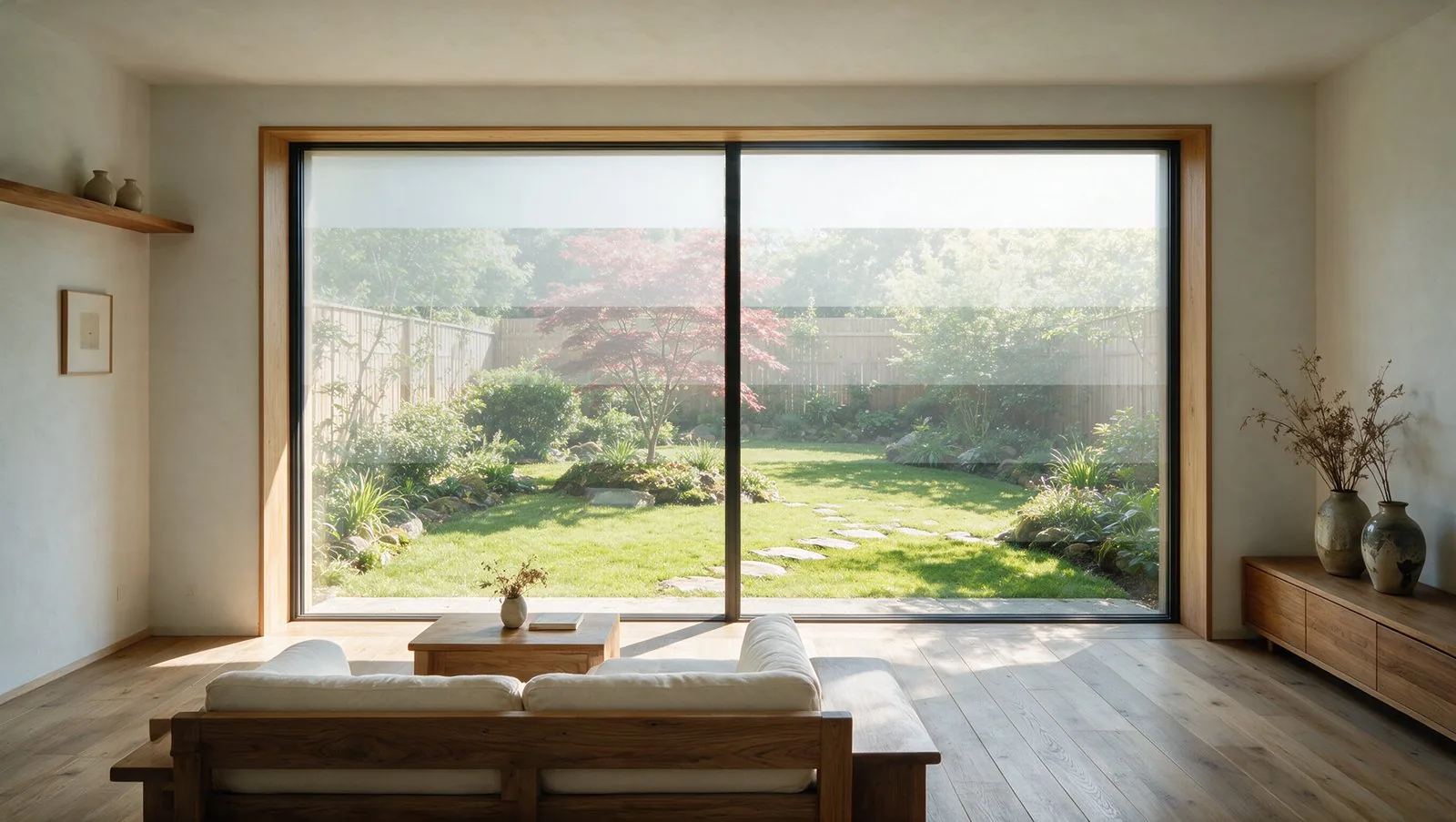
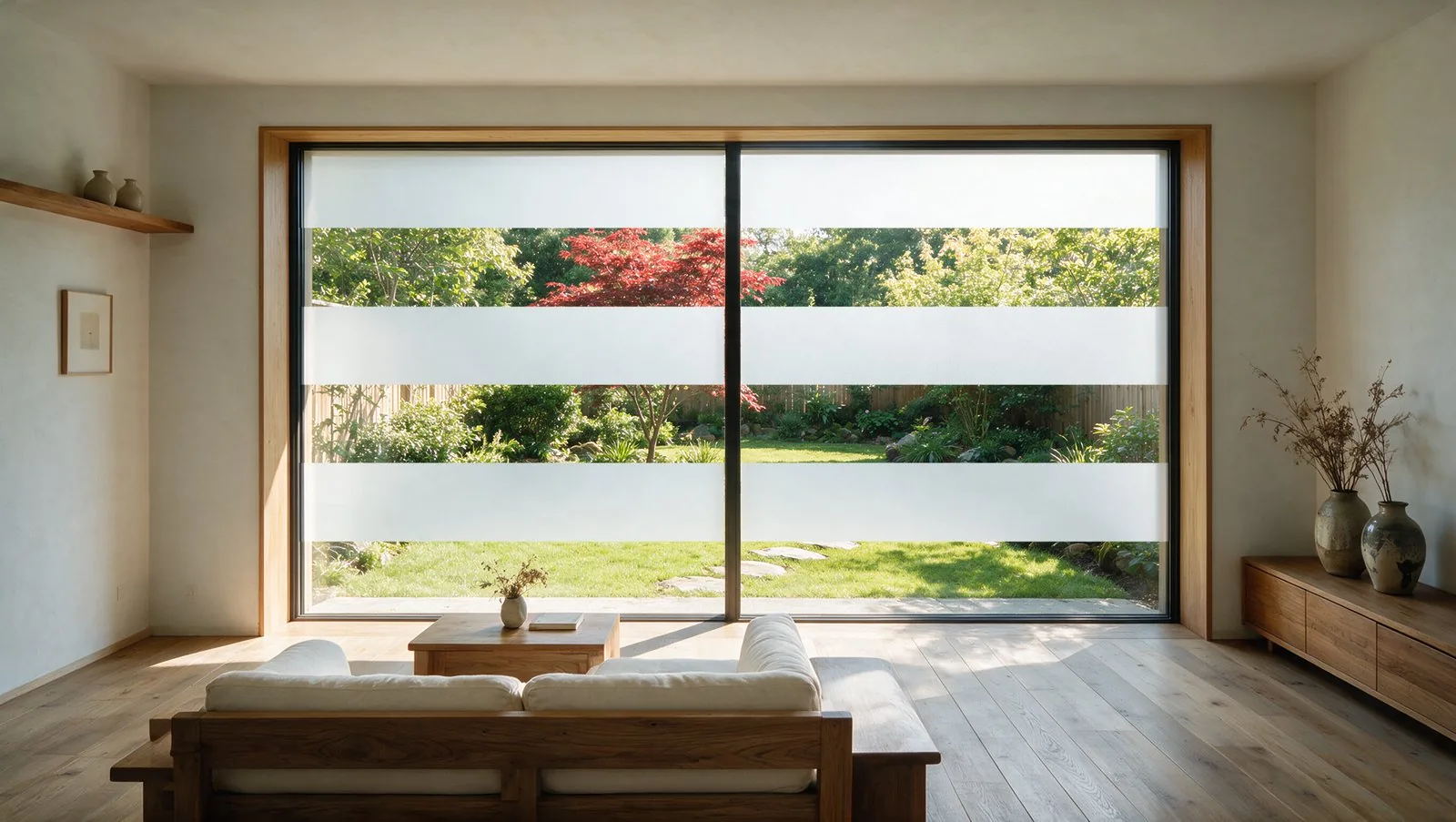
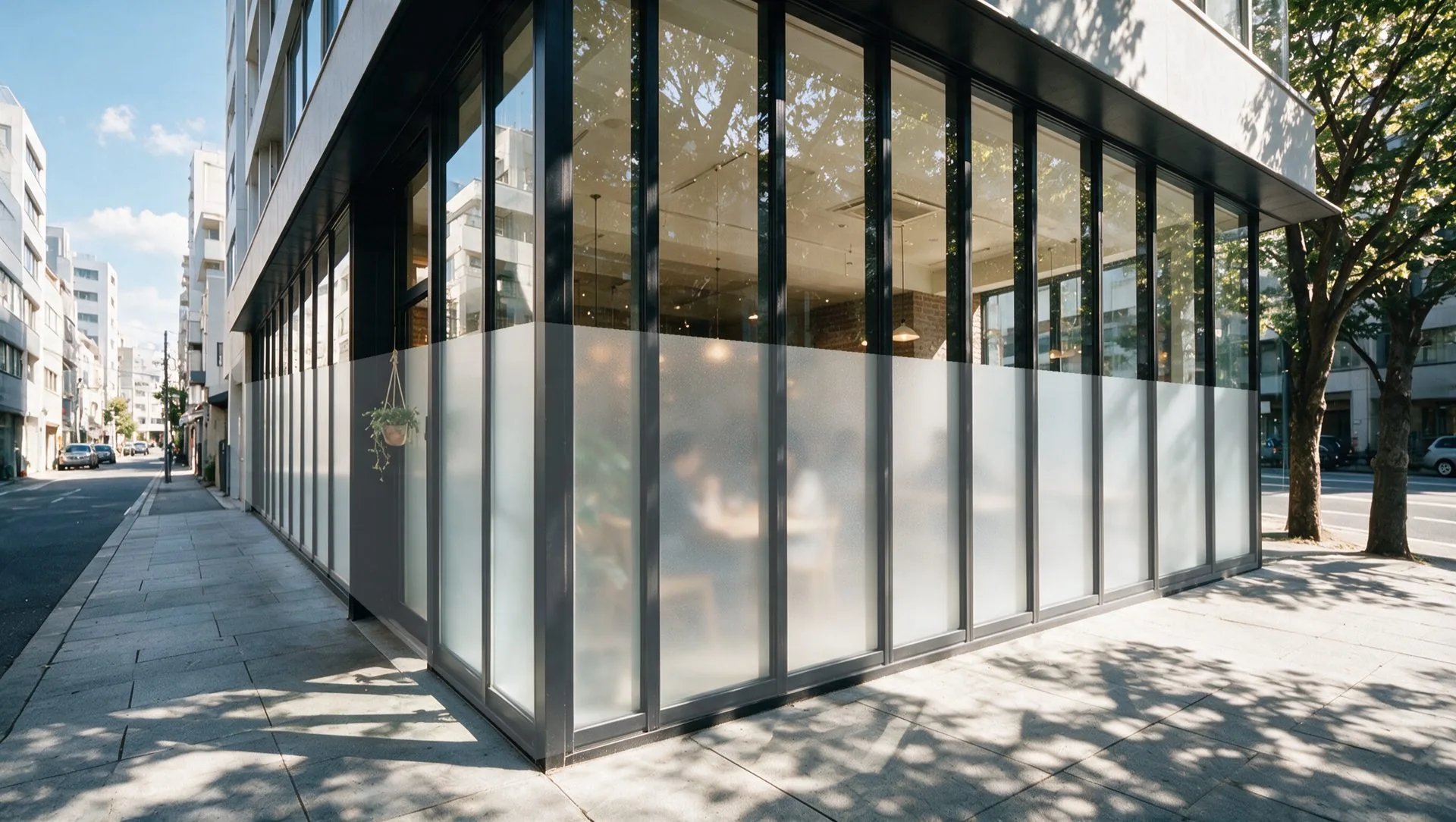
Frost only the upper zones where the sun hits, and keep the rest clear. Block direct sunlight while keeping the view.
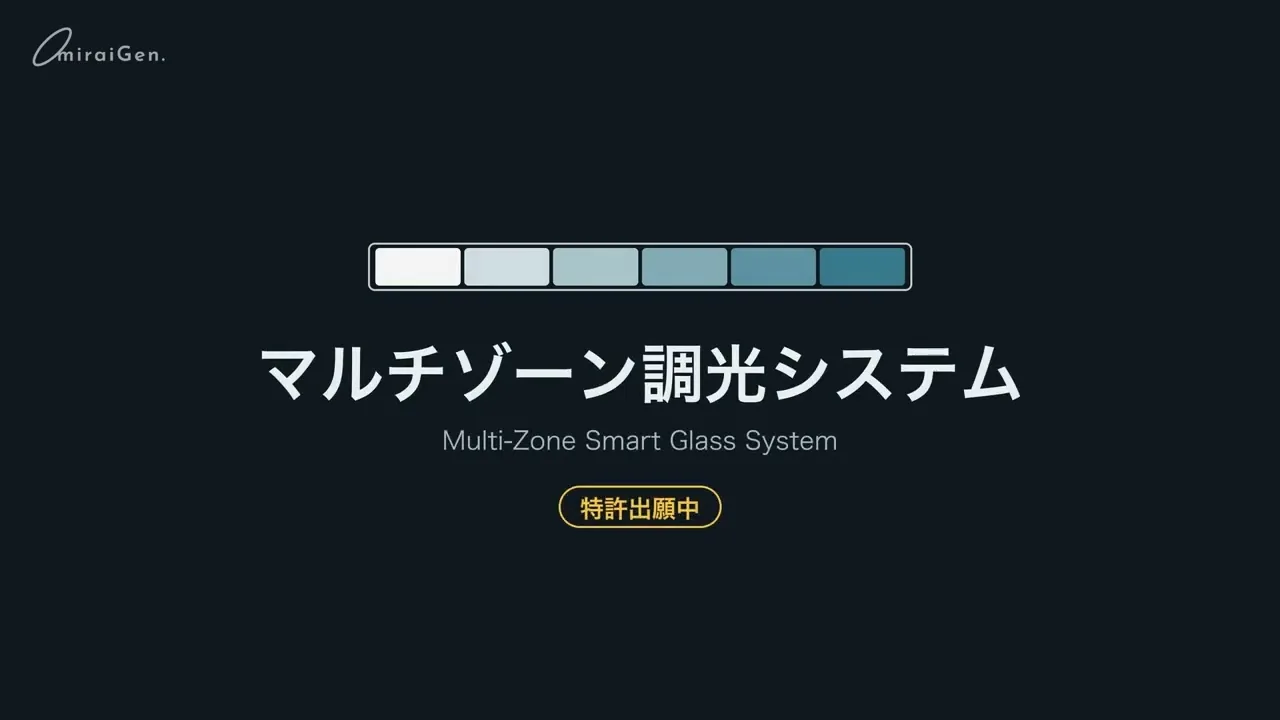
Multi-Zone Smart Glass System
Patent pending
The world's first* multi-zone smart glass controller
Divide a single sheet of switchable glass into multiple zones and set the transparency of each zone freely
Glare control, privacy, ambience — it answers a wide range of scenes
* As a controller that can instantly set each zone of a segmented switchable glass to any intermediate transparency (based on our own research, September 2026). Related patents pending.

Try the zones
What it does
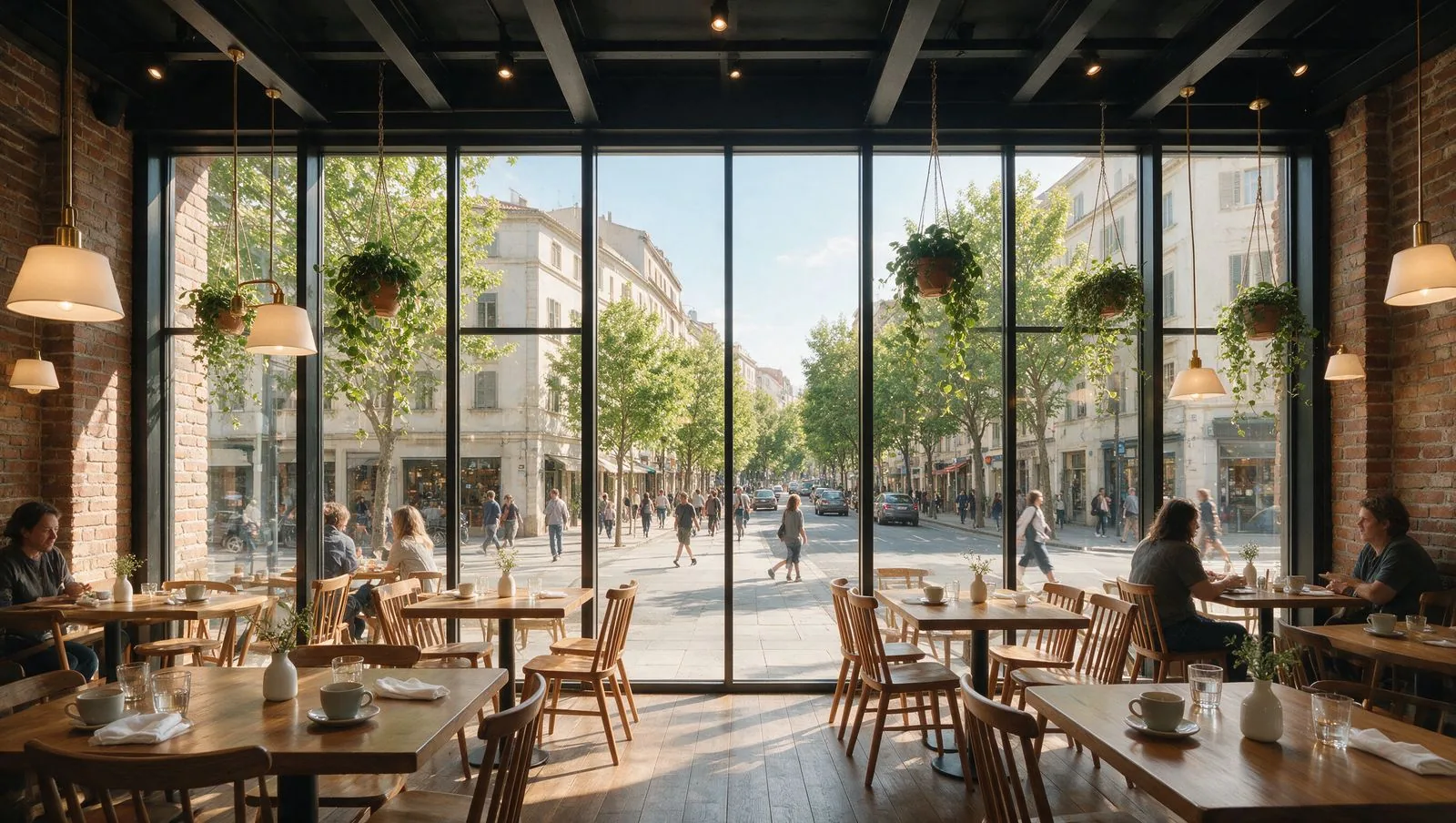
Switchable glass toggles between clear and opaque at the flick of a switch
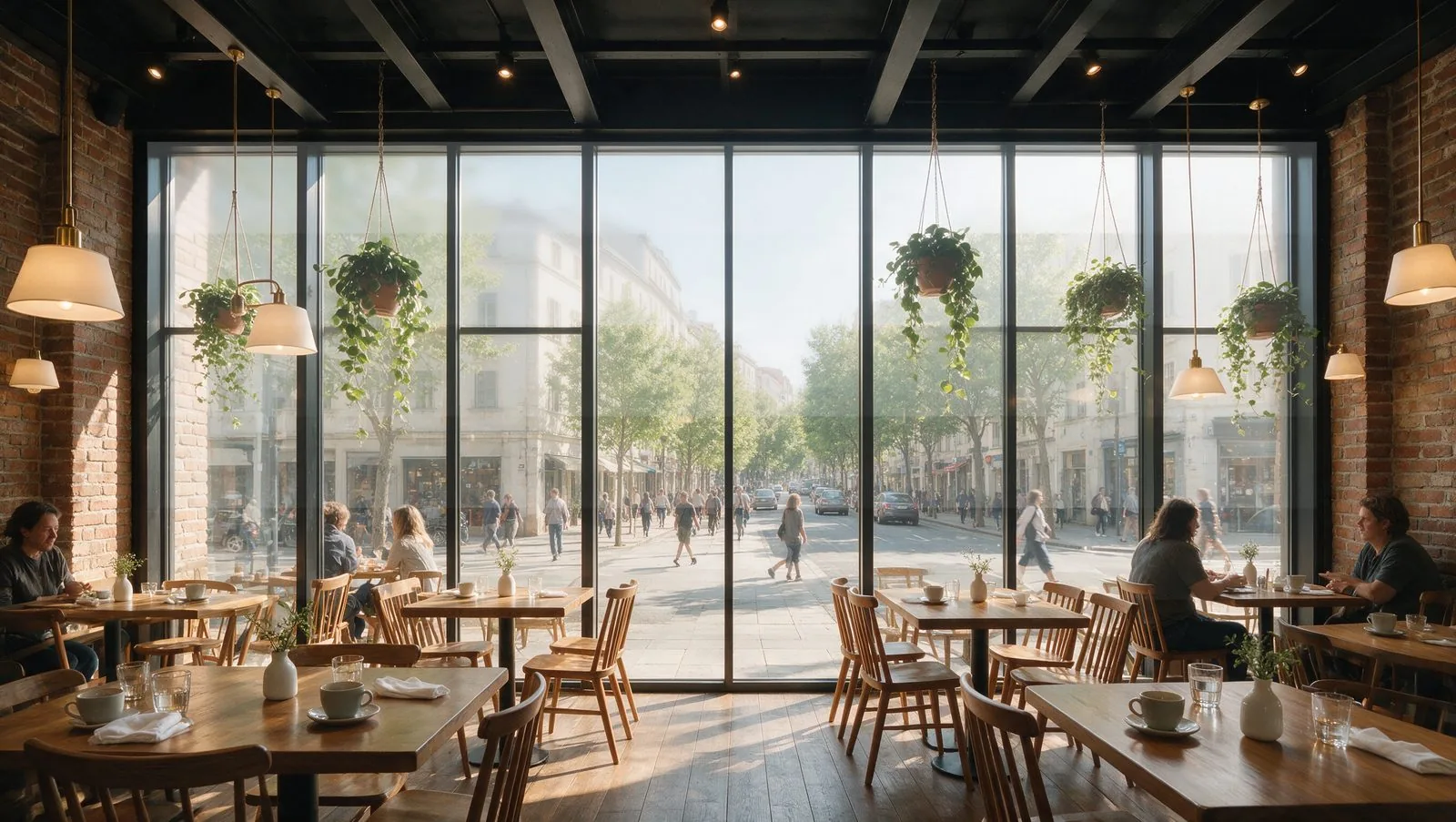
With our Multi-Zone Smart Glass System, the transparency of every zone is yours to set
01 — DAYFrost only the upper zones where the sun hits, and keep the rest clear. Block direct sunlight while keeping the view.
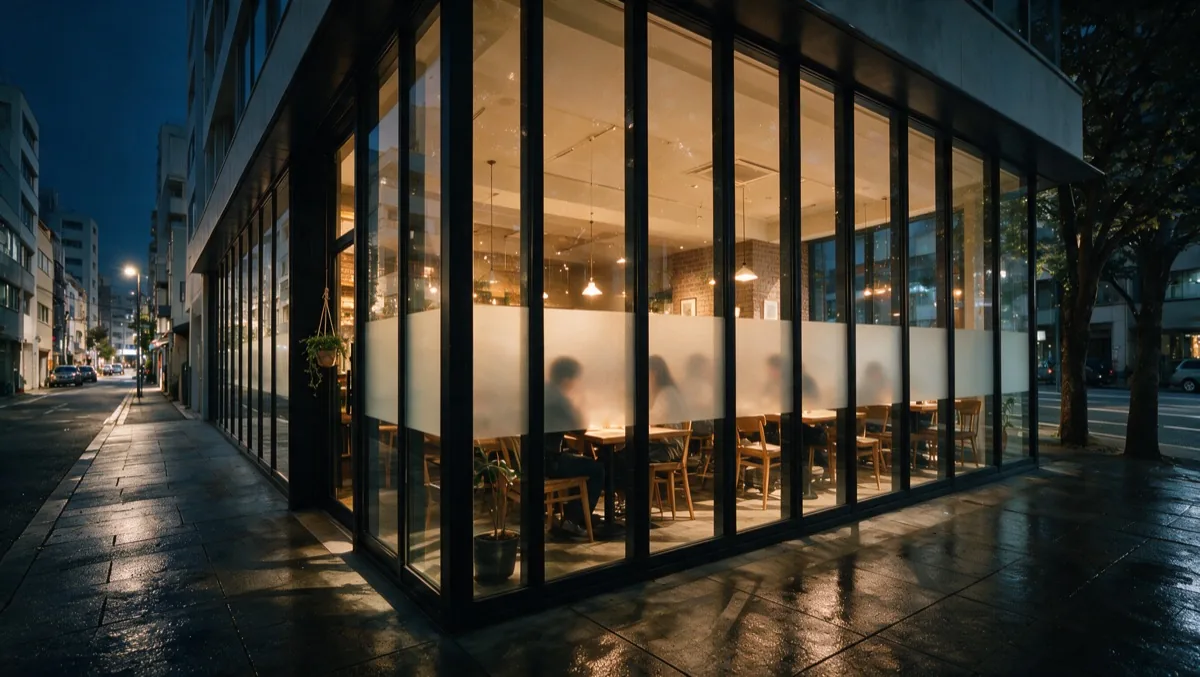 02 — NIGHT
Frost only the eye-level zone and keep the rest clear. Nobody can see in, yet you still see the lights outside.
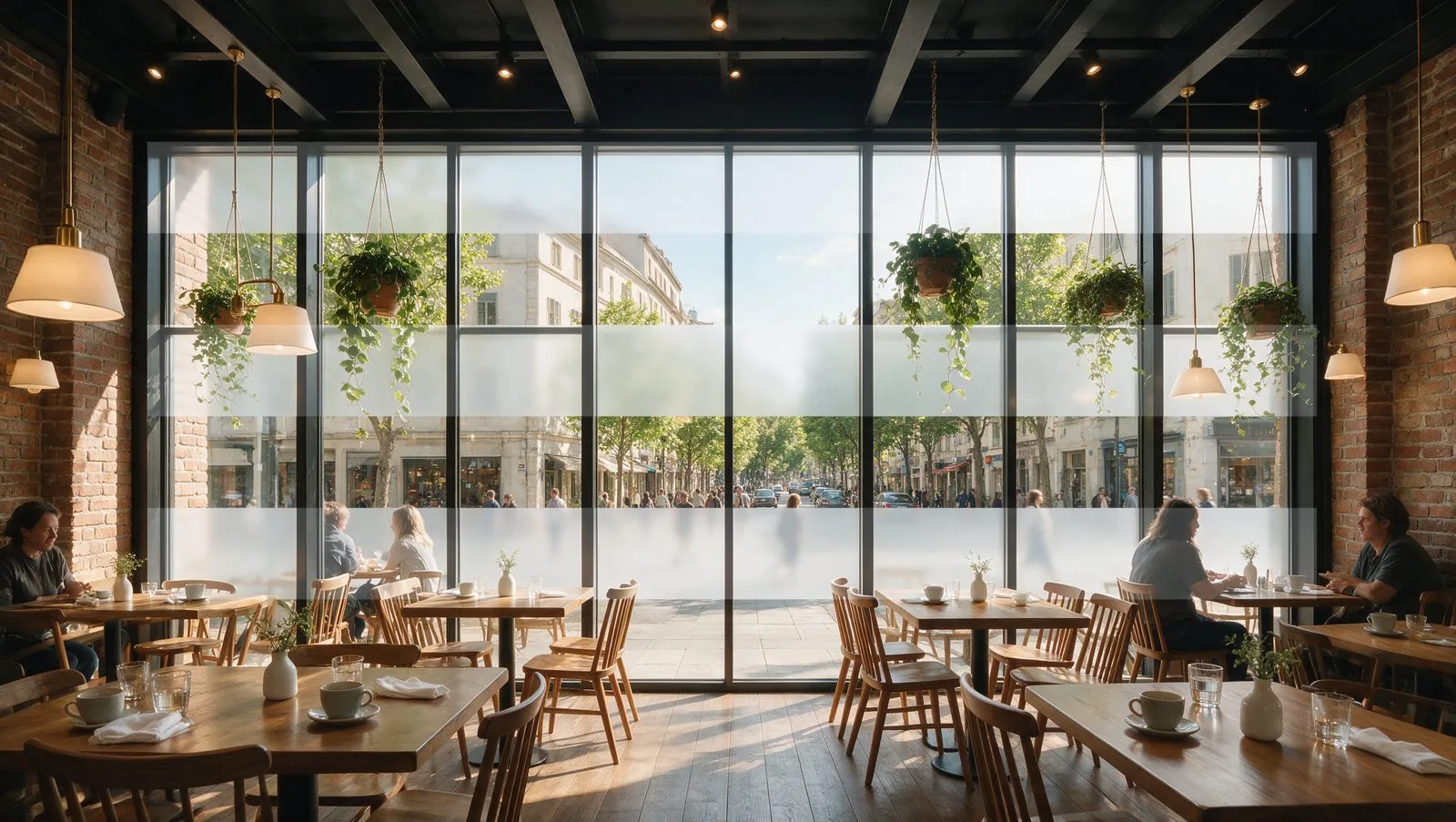
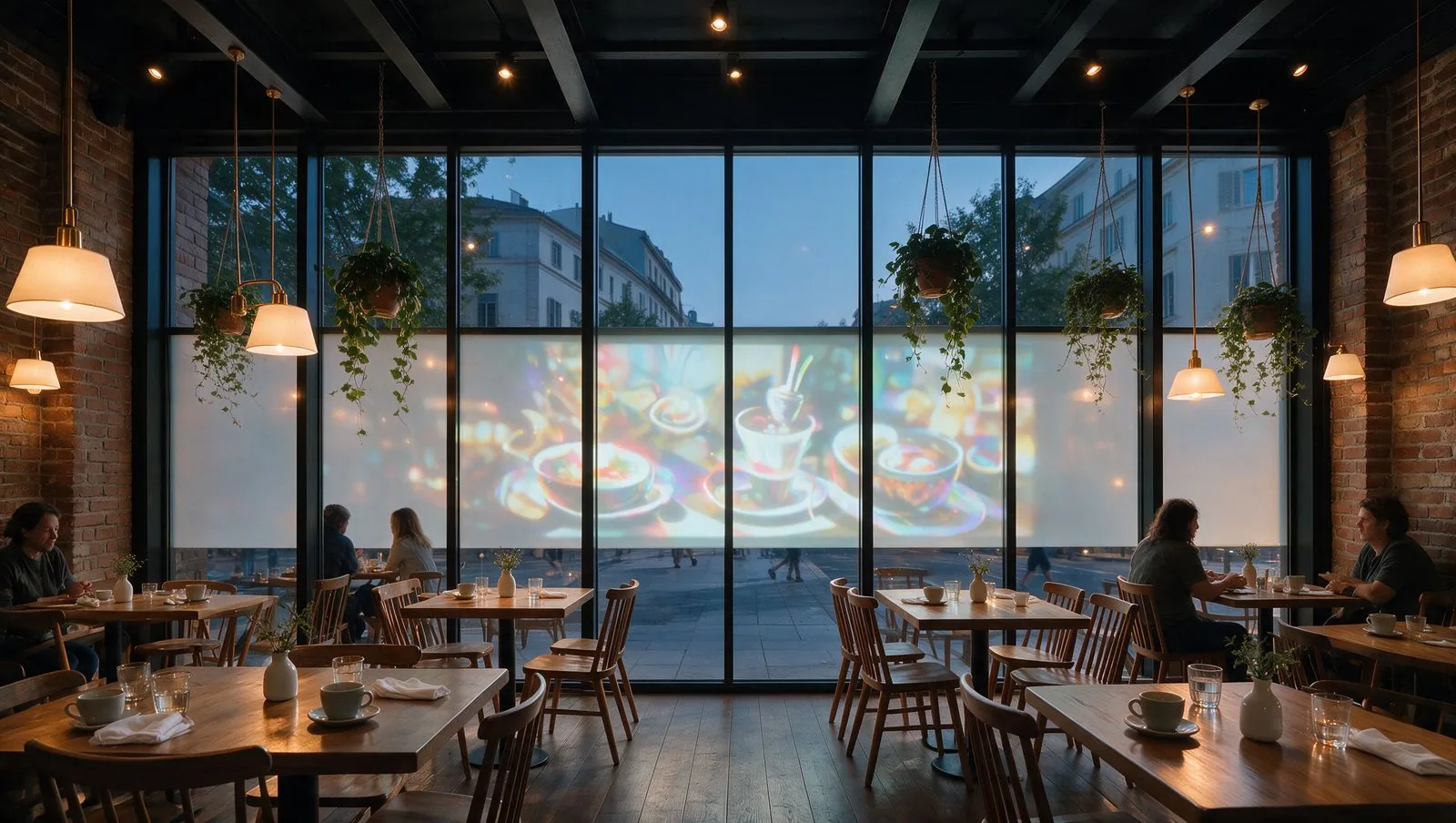 03 — SCENE
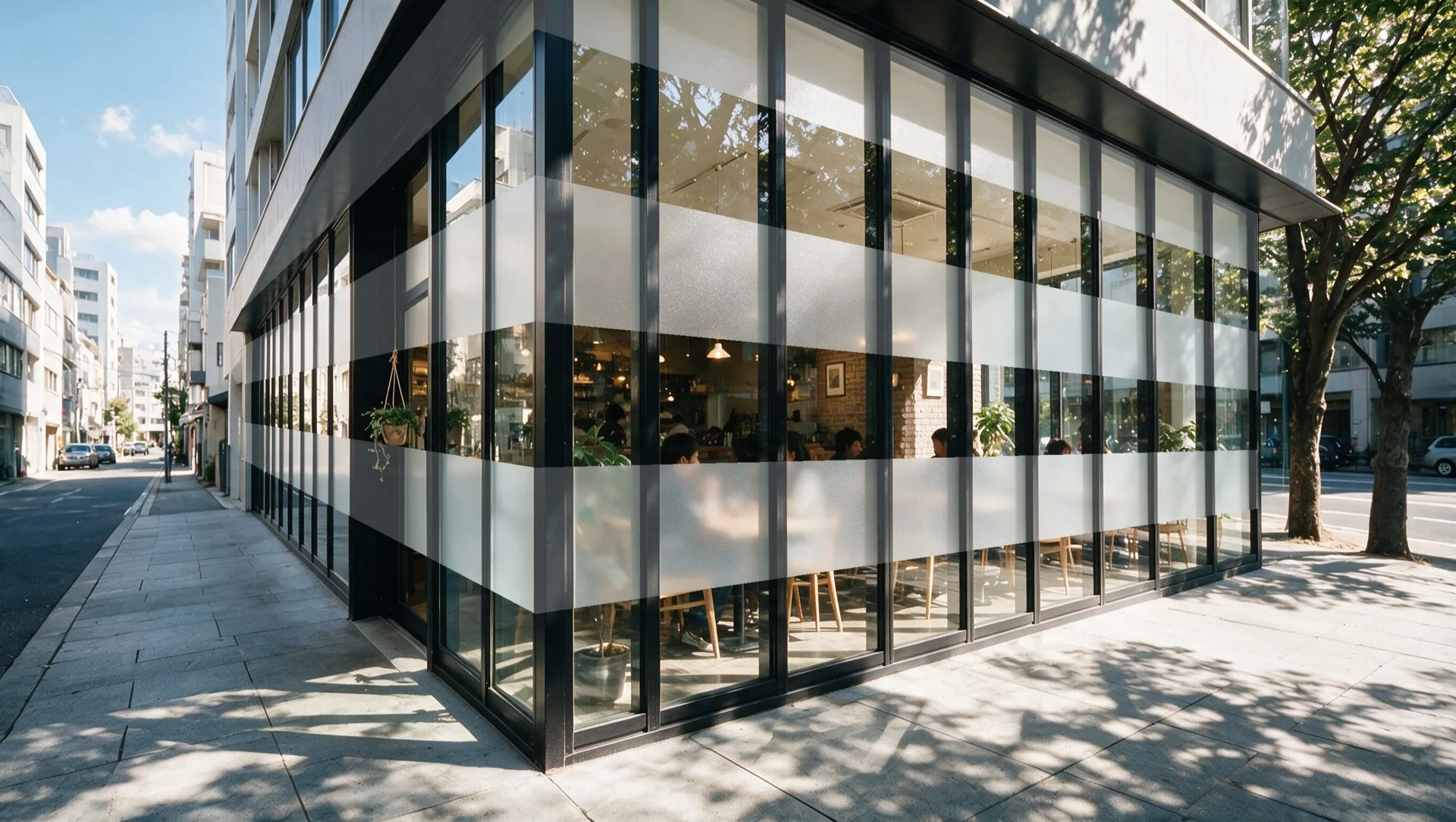
Store presets such as blind-like stripes, gradients or fully clear, and recall them per scene.
Interactive
Operation from a wall panel or a smartphone, and automatic dimming with sensors, are also possible
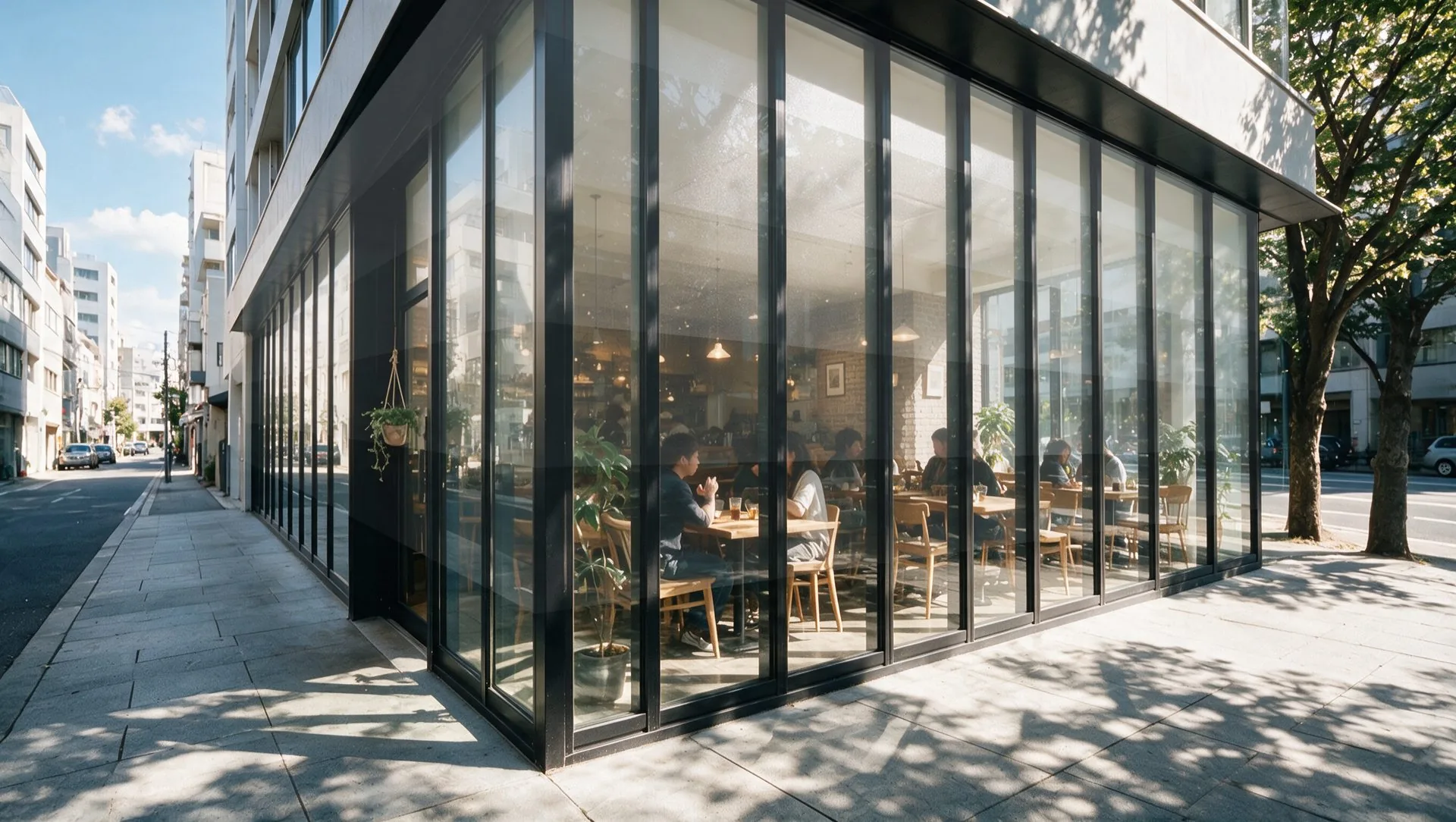
In a shop, one pane of glass can be used differently as the time of day and the purpose change. Frost just the top where the sun comes in, or hide just the bottom where passers-by can see in — so you never lower a blind, and what you want on show stays clear.
Pick a mode with the buttons to simulate the effect
The number and position of zones are decided at installation (the demo is one example).
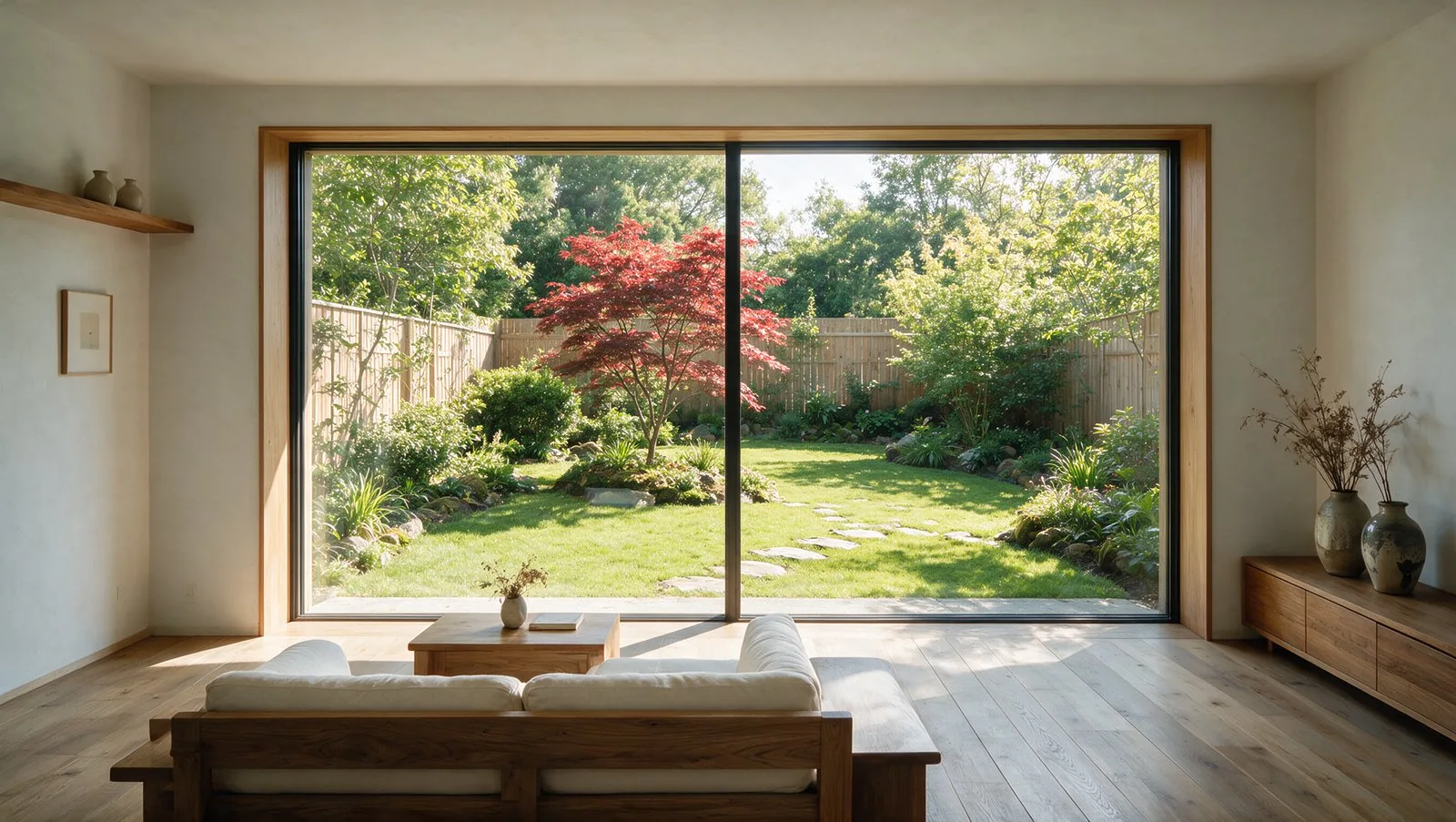
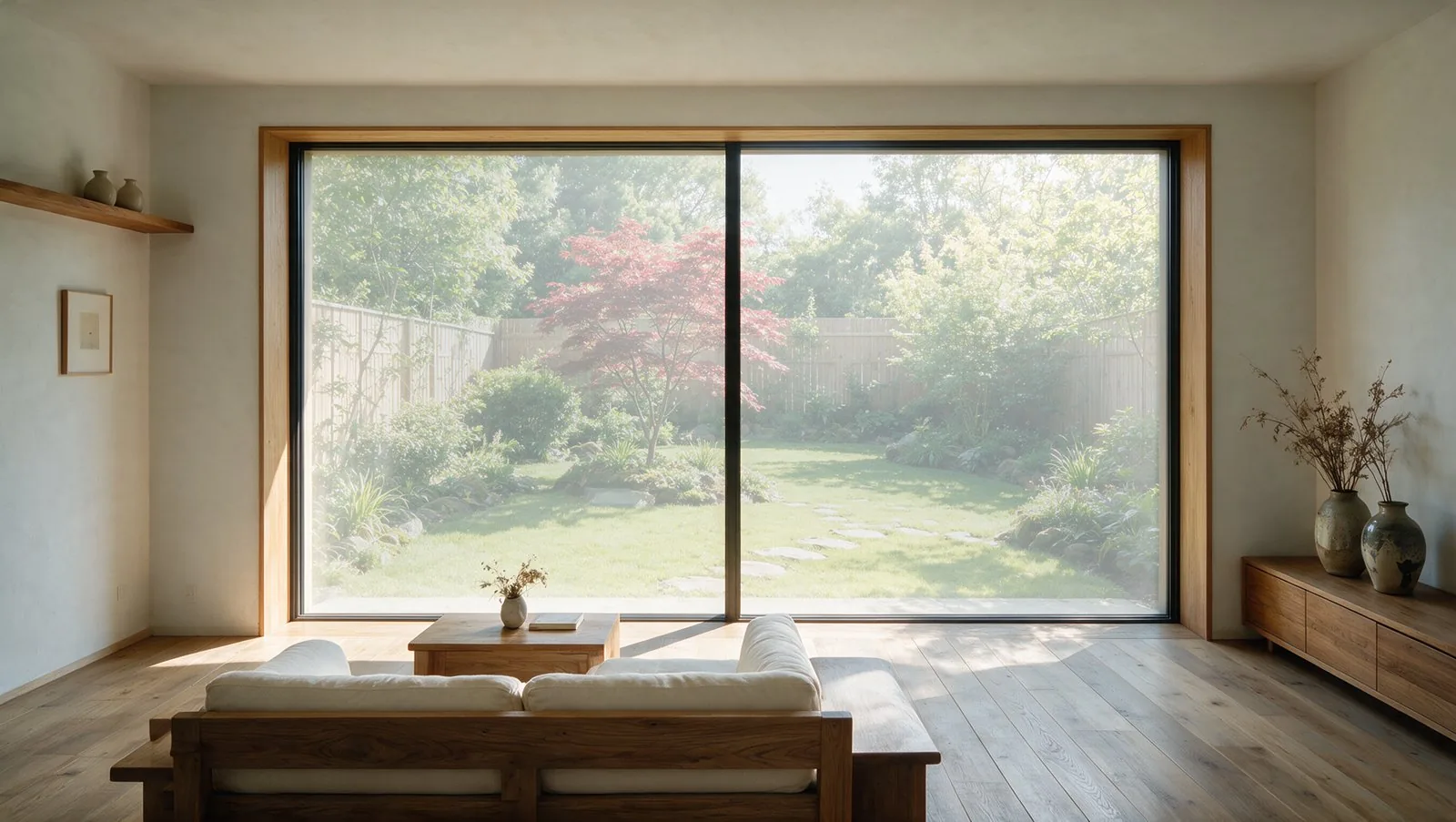
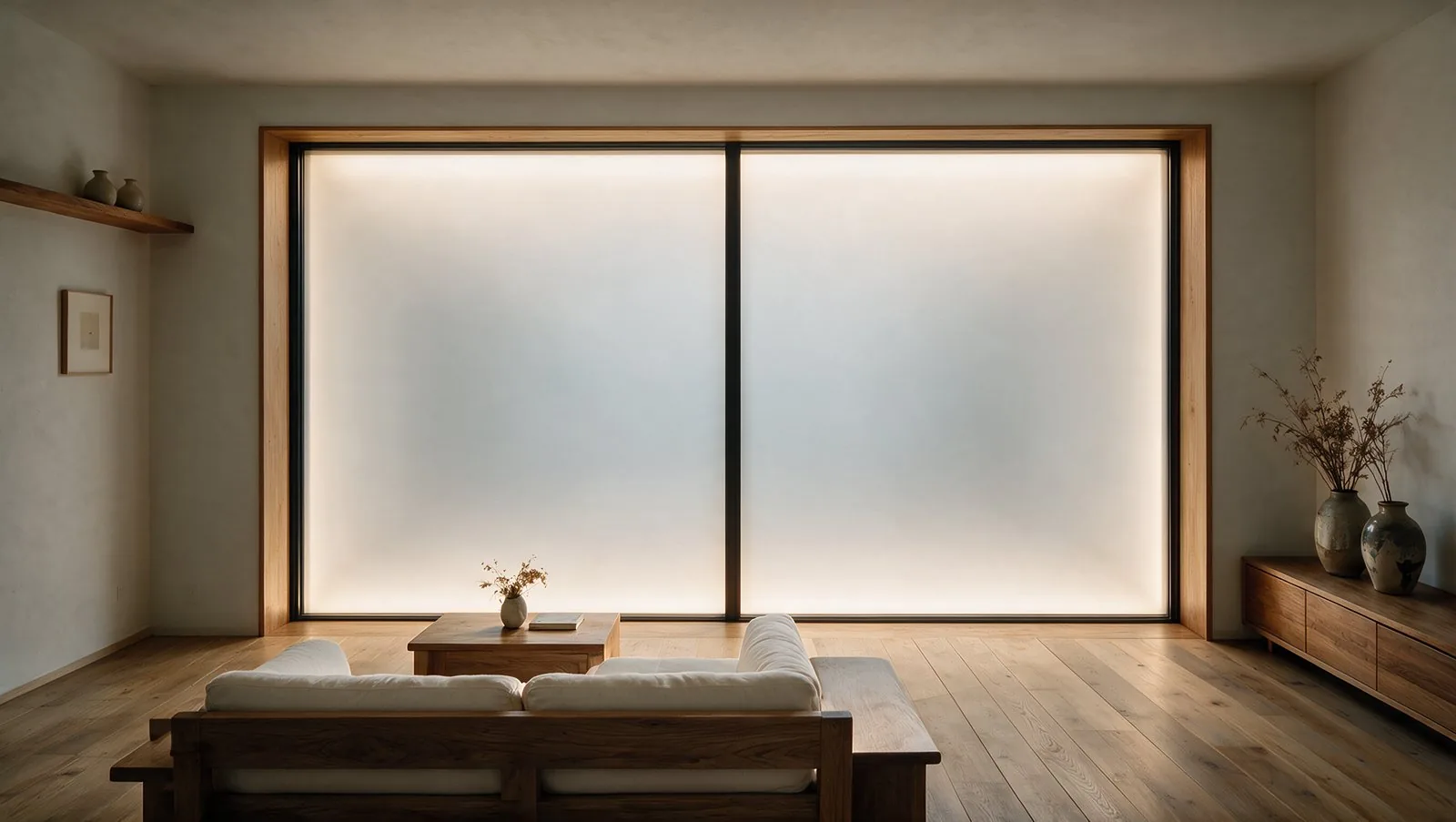
In a home, one window in the living room can be used differently as the sunlight and the time of day change. Without closing curtains or blinds, you keep the view of the garden and cut only the glare or the sightlines.
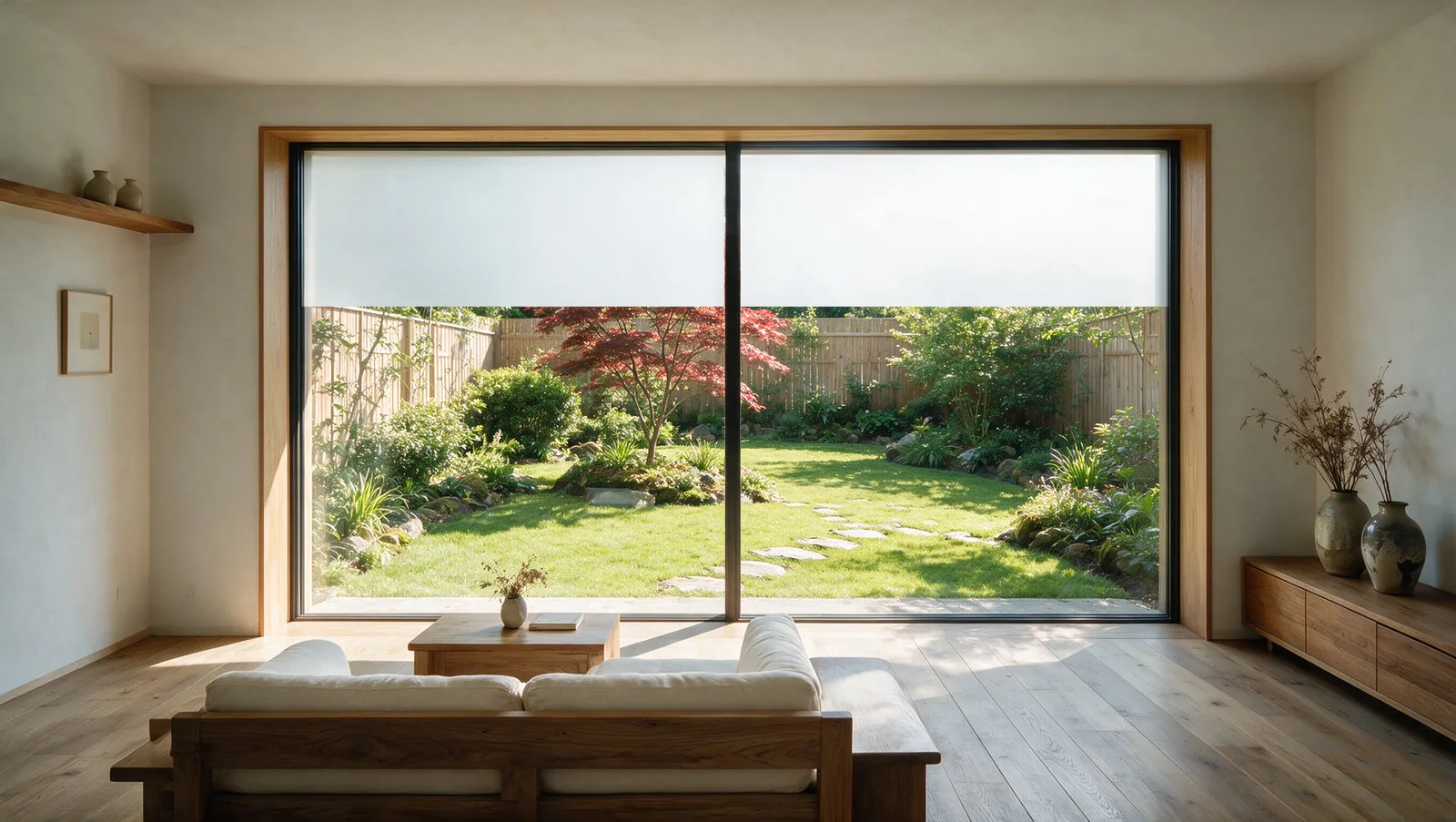
Pick a mode with the buttons to simulate the effect
The number and position of zones are decided at installation (the demo is one example).
Technology
Divide switchable film into zones and voltage leaks into the neighbours, so no zone holds the level you set. Our proprietary drive technology keeps adjacent zones from affecting each other, so every zone holds exactly the transparency you set (patent pending).
An off-the-shelf PDLC smart film, simply divided into zones and driven by our controller. No current leaks across the boundaries, and each zone holds the transparency it was set to.
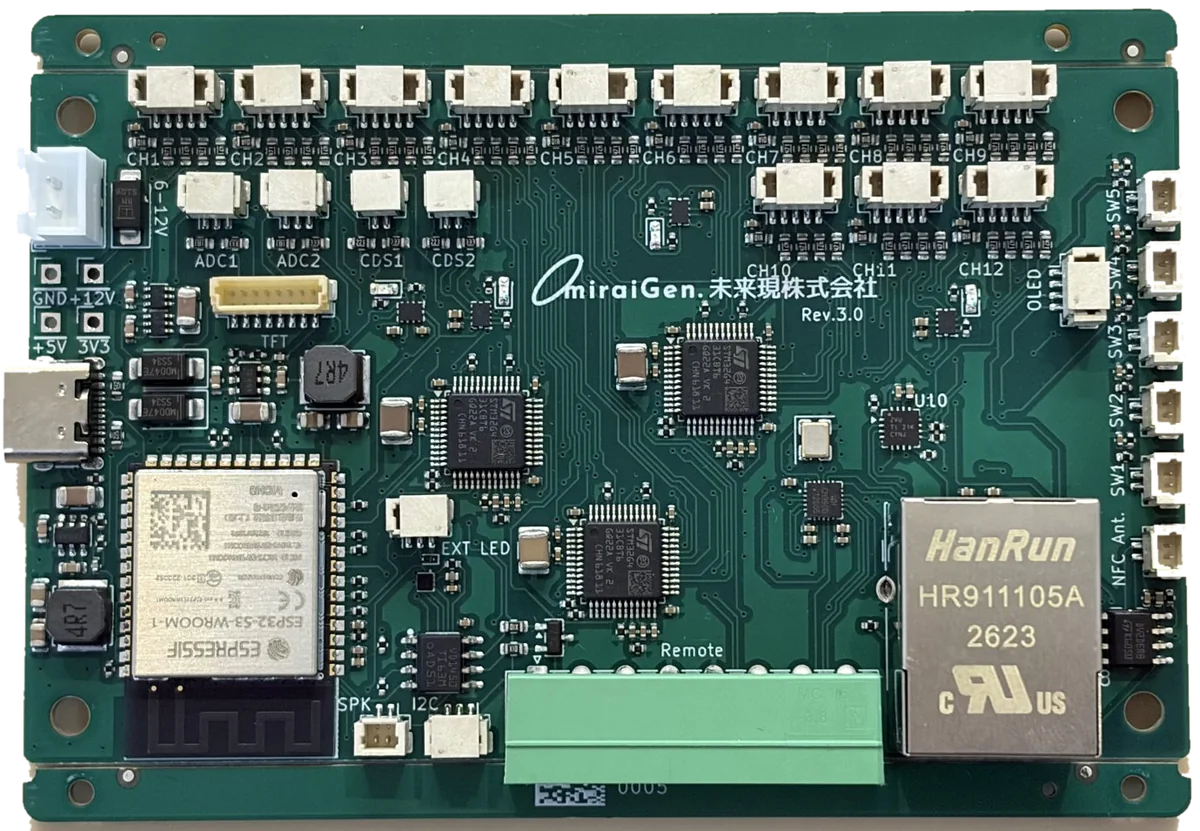
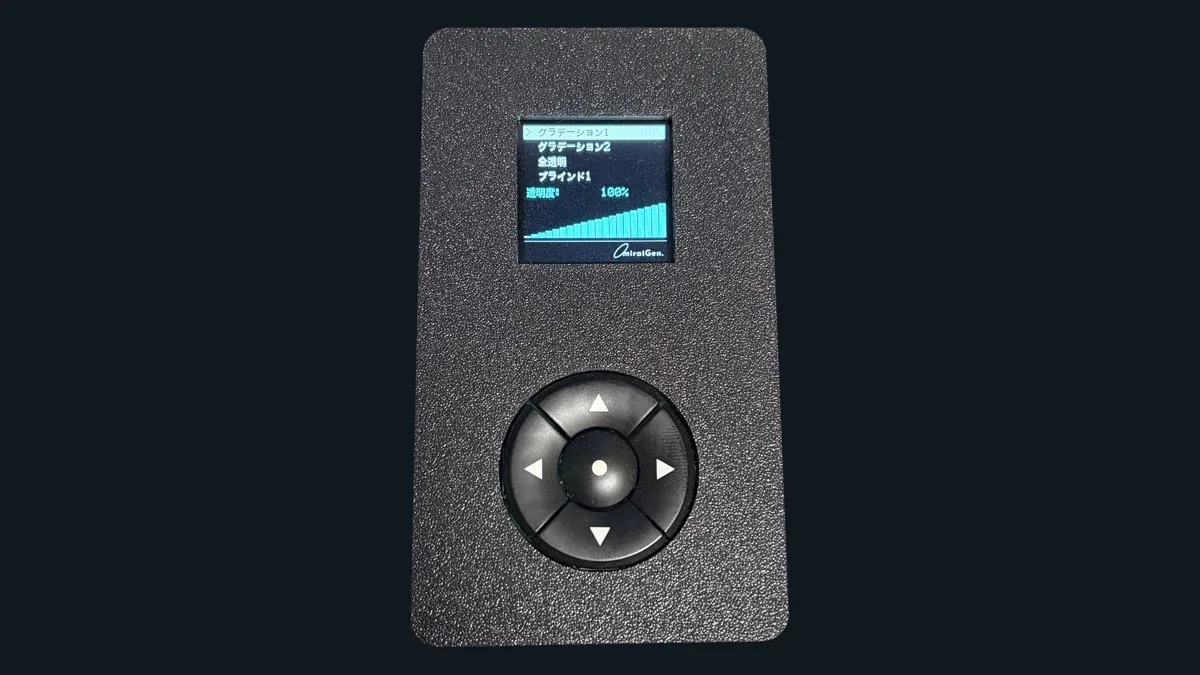
Controller
Multiple microcontrollers control transparency, gradients and patterns in real time
Photos show the MCU board and wall switch under development; the smartphone screen reproduces the control UI under development. Specifications are subject to change without notice.
Engineering
The Multi-Zone Smart Glass System was made possible by the technologies we have built up over the years, brought together and applied in one product.
Partnership
Film manufacturers, building-material distributors, installers, architects and designers — shall we open up a new market together?